In this issue: A message to the banks that serve us · Beyond the numbers · What happened in Window Rock · Financial education built for our families · The CRA fight and a bill worth backing · Know your rights · We're hiring
Letter from the Executive Director
Recognition is not restoration.
Greetings, friends, partners, and relatives.
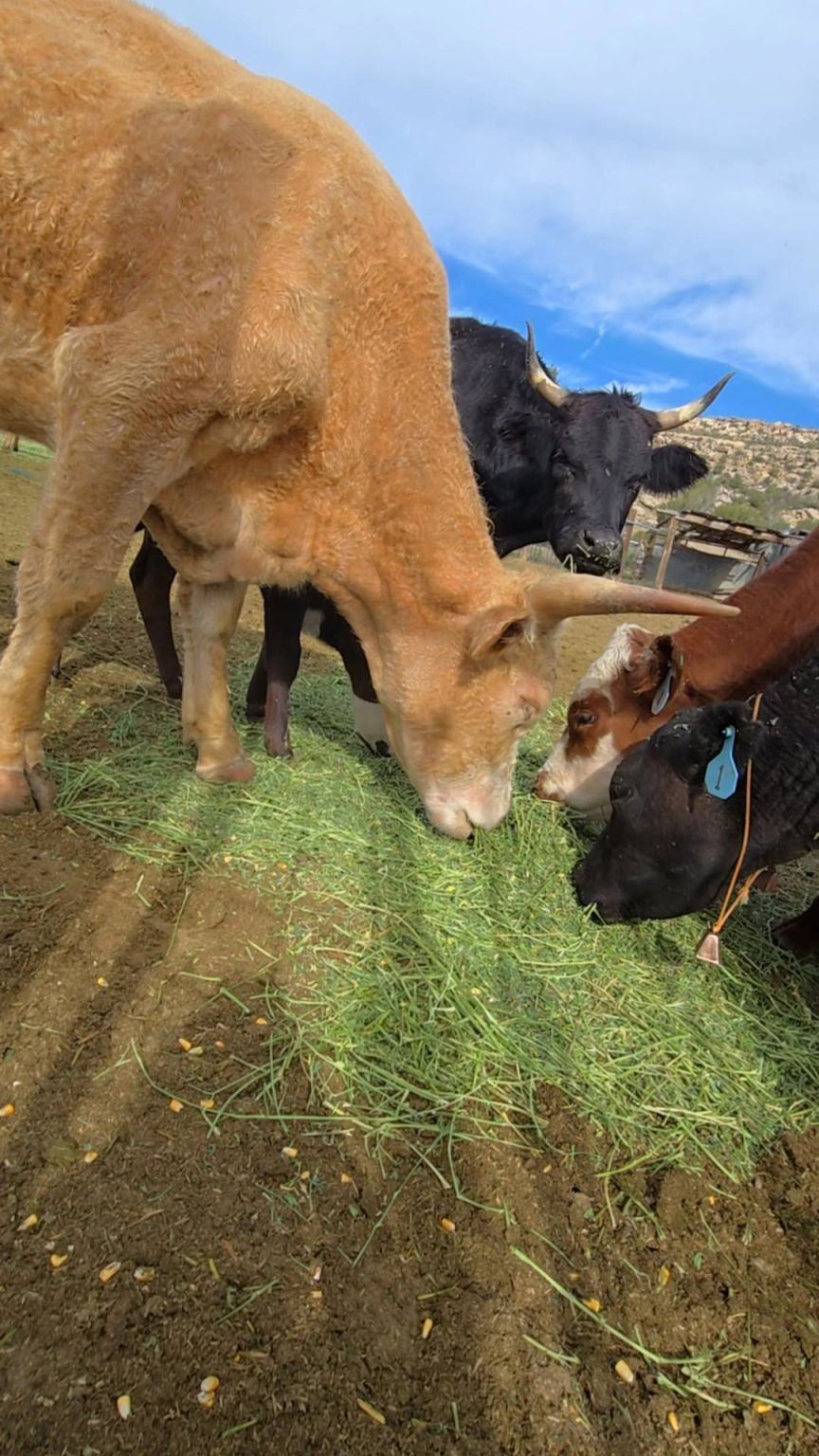
Winter is the season of preparation. The ground looks quiet, but it is getting ready. At SWNAC, we know strong financial futures don't simply happen. They are cultivated. And cultivation requires more than planting a seed. It requires tending to the soil.
This year, families used what they learned with us to access more than 560 of their own credit reports, for free, and $450,000 was deployed through established partner lending and the SWNAC lending program. Some families walked in with bad credit. Some walked in with good credit and still got told no by a bank. Every one of them deserved a yes, or at least a real path to one.
Our people have always understood wealth through land, livestock, family, culture, and responsibility to one another. And we take part in the financial system every day. Our communities are more than just customers. They are investments in future generations.
We are not asking institutions to build our future for us. We are asking them to invest in our ability to build it ourselves. SWNAC will keep being the bridge. This issue is our invitation to everyone who banks our communities to build it with us.
“Manufactured invisibility is not accidental. It has historically excluded Tribal communities from the data, decisions, and opportunities that shape our futures. Our people are not invisible. Our value has simply gone unrecognized by systems that were never designed to fully see us. Recognition is not restoration. Restoration requires access, investment, and a seat at the table.”
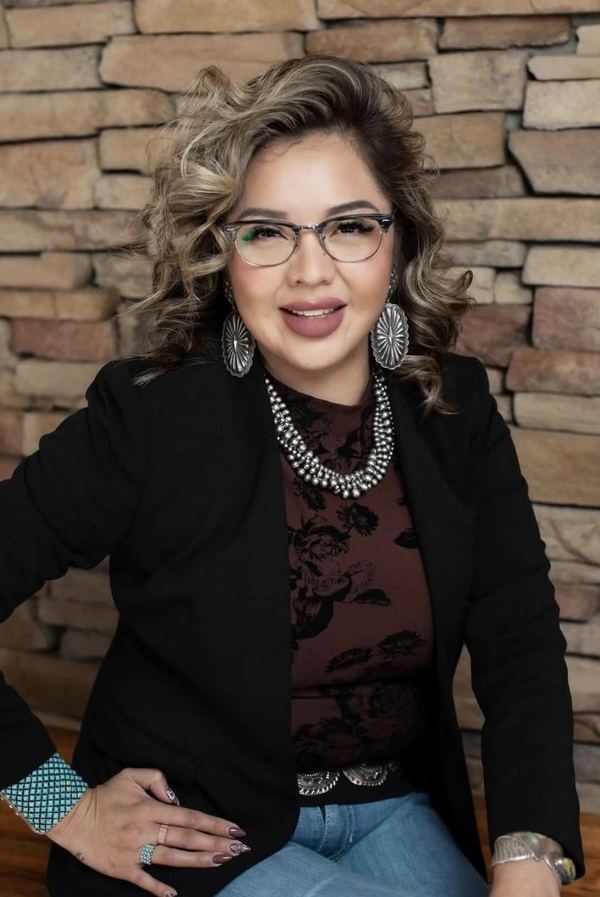
My-Tegia L. Lee · Executive Director
The Call-Out
Banking Us Should Mean Investing in Us
When banking institutions say, “We already offer financial literacy,” we have to ask: is that truly community reinvestment? Native families in Arizona are denied mortgages at nearly four times the rate of white families. That is not a credit problem. It is a reinvestment problem.
32% vs 8%
Native American mortgage applications denied in Arizona in 2023, vs white applicants. The top reason was a thin credit history, not bad credit.
Zillow analysis of federal data, via Axios Phoenix
0 of 3
of the biggest banks (Wells Fargo, Bank of America, Chase) are approved for HUD Section 184, which guarantees 100% of a Native home loan.
NCRC; HUD Section 184 lender list
49% vs 4%
of home purchase loans on AZ and NM tribal lands went to manufactured homes, vs elsewhere. The dominant lender charged 8.56% on average, vs 4.33% from others.
NCRC, Redlining the Reservation
0.004%
of Arizona small business loan dollars went to tribal lands from 2018 to 2021. In New Mexico it was 0.012%.
NCRC, Redlining the Reservation
We have seen what extraction looks like up close. In 2019, Wells Fargo paid the Navajo Nation $6.5 million to settle claims that employees at branches on the Nation opened unauthorized accounts and pressured elders, some of whom did not speak English, into products they did not need.
We say this as a Wells Fargo partner. Wells Fargo has been a philanthropic funder and partner of SWNAC for four years, backing the monthly outreach we hold across our communities, and it has made a real difference. Partners tell each other the truth. A bank that holds a Nation's money, and was once the only national bank with branches on Navajo, can do more than sponsor a workshop. It can lend.
Meanwhile, the money for penalties is always there. In October, the U.S. Treasury fined Bank of America $1.2 billion for anti-money-laundering and sanctions failures, the third largest penalty in Treasury history. Imagine a fraction of that invested in Native homeownership instead.
The National Community Reinvestment Coalition and Native Community Capital have a name for this pattern: redlining the reservation. When a family qualifies on paper and still gets told no because their home sits on a homesite lease, that is the pattern at work.
Native families bank. Native businesses bank. Tribal governments bank.So where is the meaningful reinvestment?
2026 Impact · January–August
Beyond the Numbers
Challenging manufactured invisibility through education, access, and opportunity. Federal data has long left our communities out of the picture. So we collect our own.
778
Participants across 42 outreach events, every one held in a Tribal community
86%
Earn below Area Median Income, most between $28,000 and $38,000 a year
1 in 4
Had any savings when they first walked in. 186 more set savings goals after our workshops.
560+
Credit reports accessed by participants themselves, for free
$450K
Deployed through established partner lending and the SWNAC lending program
100%
Of participants received one-on-one counseling. 304 signed up for continued support.
Those 560 reports weren't pulled for anyone. Participants pulled them themselves, through AnnualCreditReport.com, using what they learned in our financial education. They learned they could see their reports for free, without affecting their credit scores.
This is more than financial literacy. It is reclaiming access, awareness, and control within systems that have too often made our communities invisible.
Wealth, as our people have always measured it.
Window Rock · August 2026
You Came and Sat With Us
In our last issue we invited you to the Navajo Nation Museum in Window Rock. You came, and you leaned in. Window Rock was one of the outreach events we hold every month across our communities.
We talked about more than dollars and cents. Participants explored money trauma, how our experiences shape the way we respond to money, and how our history as Native people still runs through modern finances. We looked at budgeting, credit building and repair, debt, navigating financial systems, and homeownership readiness, all through a Native lens.
The budget we built together in the room had lines for ceremonies, family events, and lending money to relatives, right next to rent and utilities. Those are real costs in our families. A budget that leaves them out isn't a real budget.
“Before we can change a financial behavior, we have to understand where it came from. When our people begin understanding the WHY, we can begin changing WHAT COMES NEXT.”
My-Tegia Lee
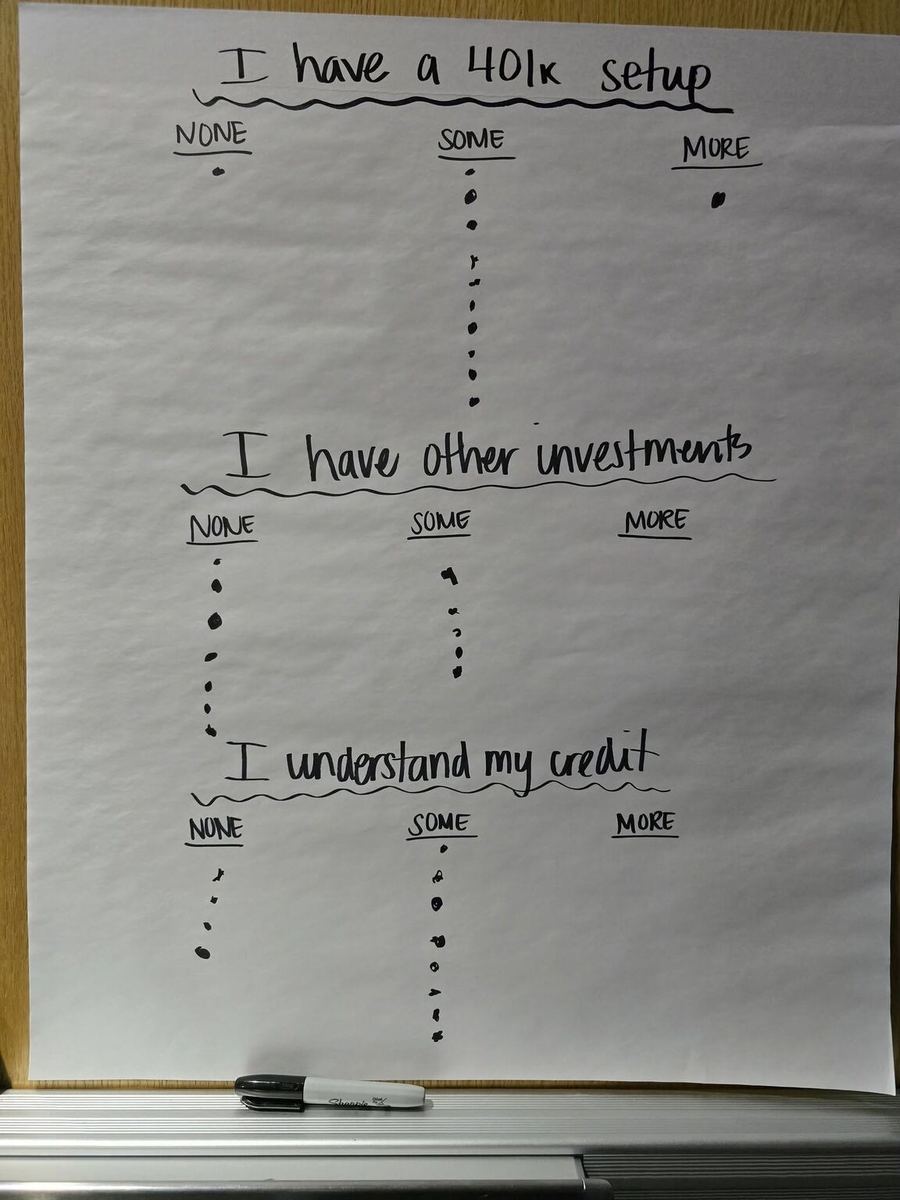
We asked the room. On understanding their credit, nobody marked “more.”
Ahéheeʼ
To Wells Fargo, a philanthropic funder and partner for four years, the W.K. Kellogg Foundation, a partner for two years, and to Oweesta, the New Mexico Economic Development Department, and Anchorum Health Foundation. Your support makes our monthly outreach possible.
New This Year
Financial Education Built for Our Families
With partners at Coffee & Connections, WESST, Albuquerque.
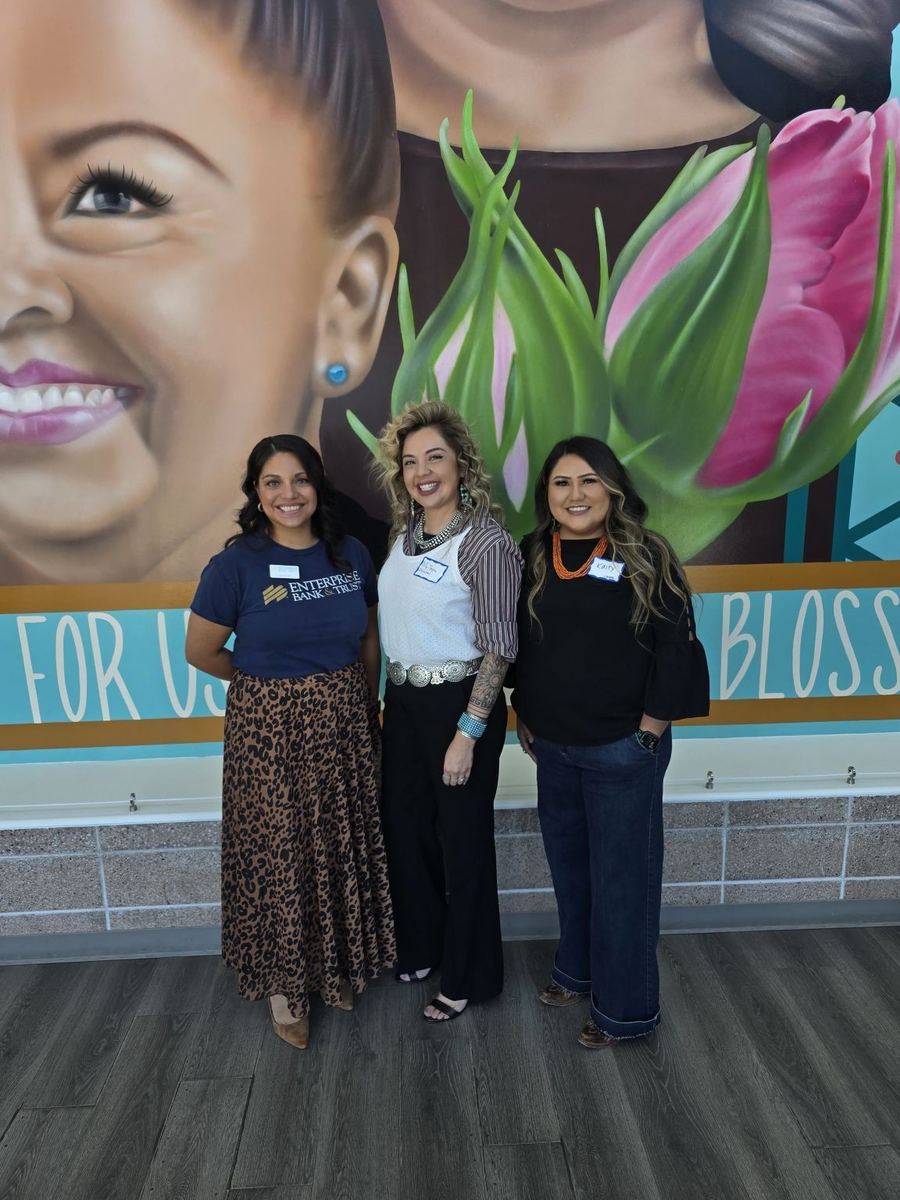
This fall, SWNAC joined WESST, Enterprise Bank & Trust, and community partners for Coffee & Connections in Albuquerque, and shared our newly developed financial education materials.
“We don't believe people should have to adapt themselves to financial education. Financial education should be designed to meet them where they are.”
My-Tegia Lee
Our families should see themselves, their communities, and their aspirations in the materials in front of them. Budgeting is more than numbers. Credit is more than a score. Homeownership is more than a transaction.
Policy Watch
The Law Meant to Fix This Is Being Weakened
The Community Reinvestment Act of 1977 requires banks to serve the whole community where they take deposits. In 2023, regulators updated the rules and, for the first time, counted lending and investment on Native Land Areas. That update never took effect. Banks sued, and in 2025 regulators moved to scrap it.
On July 31, 2026, the OCC and FDIC proposed a new, narrower CRA rule instead. Twenty-one U.S. Senators wrote to regulators in October warning it would cut investment in community development and affordable housing. If the rules stop rewarding banks for reinvesting in tribal communities, fewer banks will. Banks do not need a rule to do the right thing. They can choose it.
A Bill Worth Backing
The NAHASDA Modernization Act (S. 5354)
The bill would reauthorize Tribal housing block grants through 2033, renew HUD's Section 184 loan guarantee program, and expand which lenders can take part. It cleared the Senate Committee on Indian Affairs on September 23, 2026, with bipartisan cosponsors, including both of New Mexico's senators. Ask your senators to support S. 5354.
The Ask · Starting this year
What We Are Asking Banks to Do
01
Invest upstream, before families are “bank ready.”Fund financial education, credit and housing counseling, and homebuyer readiness, and pay the Native-led organizations doing that work.
02
Invest in Native communities, not simply around them.Back Native-led organizations and Native CDFIs. There are about 65 certified Native CDFIs nationally, and NCRC counted only 8 in Arizona and New Mexico.
03
Become a Section 184 lender, and back S. 5354.The federal government guarantees 100% of the loan. The risk argument is gone.
04
Let CRA reflect reciprocity.Listen before designing solutions. Build relationships before transactions.
Build solutions with us, not for us.
The Path We Walk With Families
ReadinessEducation, credit, coaching, and a plan
AccessFair capital from lenders who look at the whole story
OwnershipA home, a business, a foundation of their own
AssetsWealth that stays in the family for generations
For Our Relatives
Know Your Rights
If a lender tells you no, you are owed an explanation. Here is what federal law gives you:
The reasons, in writing. A lender must tell you why you were denied, or tell you how to ask for the reasons.
Your credit report, at no cost. If the denial was based on your credit report, you can get a copy from that credit bureau without paying. Ask within 60 days.
A fix for mistakes. If something on your report is wrong, you can dispute it with the bureau.
A place to report unfair treatment. You can file a complaint with the Consumer Financial Protection Bureau at consumerfinance.gov. A lender cannot deny you because of your race or national origin.
Other doors. Credit unions and Native CDFIs often look at your whole story, not just a score.
You don't have to sort this out alone. Bring the denial letter to us and we will go through it with you.
From the Community
What Small Dollar Lending Looks Like
She had a 730 credit score and never missed a payment. A big bank still turned her down.
On paper, she had cosigned two vehicle loans, one for her husband and one for her son, because her credit was the strongest in the family. The bank saw the debt-to-income ratio and stopped there. It did not look at her checking account, her direct deposits, or the fact that her husband and son were making those payments themselves.
We did look. She was approved for $10,000 through our Small Dollar Lending Program. Then came the homework: help her husband and son refinance into their own names through a local credit union. Their credit had grown over the year, and their payment history proved they could carry it.
They did it. She came off both loans, and her own borrowing power is back. The bank could have reached that same yes with one conversation. Instead it sent her out the door. We help families graduate to bigger, less restrictive financing on their own terms.
“We aren't simply asking, ‘Is this person ready for a loan?’ We are asking: ‘What can we cultivate today so this family has greater choices tomorrow?’”
My-Tegia Lee
We're Growing · Two Field Roles
ArizonaWestern Navajo Nation & Arizona tribes
New MexicoEastern Navajo Nation & the Pueblos
We'll teach you the work. We're looking for someone who loves being out in community, has real experience in tribal communities, and builds their own calendar. Native candidates are strongly encouraged. Know someone? Send them our way.
Sources
Where These Numbers Come From
Every figure in this issue comes from public reporting, federal data, or SWNAC's own records.
Axios Phoenix: 32% of Native American mortgage applications denied in Arizona (2023 data, Zillow analysis). axios.com
NCRC and Native Community Capital: Redlining the Reservation (Dec 2023). Section 184 big-bank finding, 49% manufactured homes, 8.56% vs 4.33%, small business lending, 8 Native CDFIs in AZ/NM. ncrc.org
HUD Section 184 approved lender list (updated Nov 5, 2024). hud.gov
Navajo Times: Wells Fargo, Nation settle lawsuit for $6.5 million (Aug 2019). navajotimes.com
Navajo Times: Navajo Nation contemplating 'divorce' from Wells Fargo (Nov 2016; nearly $2 billion in tribal funds at Wells Fargo). navajotimes.com
CNBC: Bank of America fined $1.2 billion over money laundering violations (Oct 13, 2026). cnbc.com
CNN: Third-largest FinCEN fine (Oct 2026). cnn.com
Mayer Brown: OCC and FDIC proposed CRA rule, July 31, 2026. mayerbrown.com
Senate Banking Committee: 21 Senators urge OCC and FDIC to withdraw CRA rule (Oct 2026). banking.senate.gov